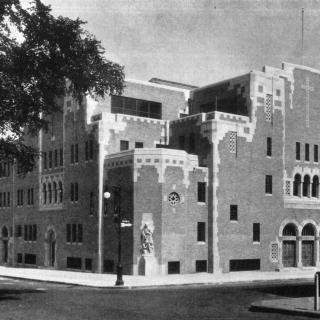
The history of St. Peter Claver parish dates to 1915, the year that the Catholic Colored Club (CCC) was founded by Jules DeWeever. The Club was formed with the express purpose of having a “Church for Colored Catholics established in this [Brooklyn] Diocese.” Coincidentally, at about the same time, in 1916 Bishop McDonnell of Brooklyn called for the establishment of “Home Missions” to meet the needs of the heterogenous Catholic population of the Diocese. Rev. Bernard Quinn responded to the Bishop’s call by proposing the establishment of a church for African Americans, and volunteered to work on this "Colored Mission" for the Diocese.
New Entries
Building
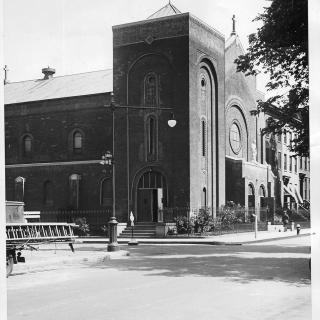
Previously known as the Ormond Place Church. Constructed in 1853 for Bedford Reformed Church. After a dispute with the Reformed Church led that congregation to abandon the project, the Central Congregational Church became first tenant.
Building
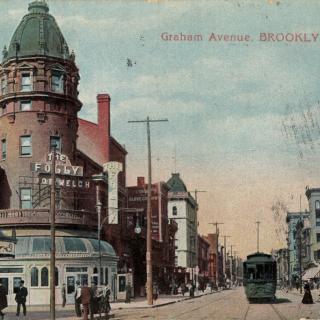
Opened on October 14, 1901 as a vaudeville theater. The original theater had a seating capacity of 2,170. William Fox took the theater over in 1909, showing movies and vaudeville shows. The building was demolished in 1949.
Article
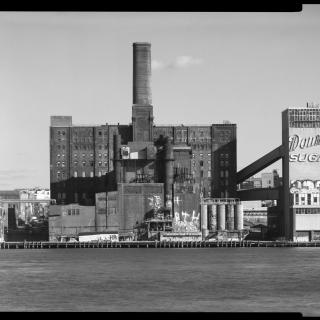
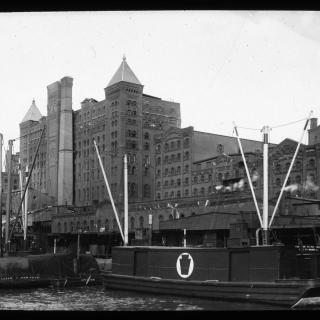
The Domino Sugar Refinery is one of the most prominent industrial sites on the East River waterfront. The complex consists of seven larger buildings and many other smaller structures, occupying a six-block site on the Williamsburg waterfront immediately north of the Williamsburg Bridge. The existing complex includes two buildings from the refinery’s earliest period of construction, 1884, as well as a number of other significant structures from the 1920s-1930s and 1950s-1960s.
Person
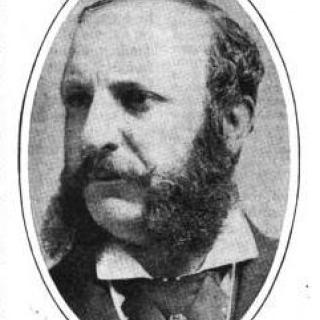
Theodore A. Havemeyer (May 17, 1839 – April 26, 1897) and his brother, Henry O. Havemeyer, transformed the family sugar refining operation into the Sugar Trust. The brothers were the sons of Frederick C. Havemeyer, Jr. and grandsons of Frederick C. Havemeyer, one of the founding partners of the Havemeyer sugar empire.
Building
The Processing House of the Havemeyers & Elder (later Domino) Sugar Refinery is the jewel in the crown of the Havemeyer sugar empire. Reading as a single building from the exterior, the structure is actually three separate buildings that contained the primary functions of sugar refining: the Finishing House, located on the corner of South 3rd Street and Kent Avenue; the Pan House, located on the corner of South 2nd Street and Kent Avenue, and the Filter House, facing onto the East River and running from South 3rd Street to South 2nd Street.
Building
Constructed with 109 to 111 Franklin Street, this handsome pair of richly-decorated tenements is clad in red brick with sandstone trim, terrace cotta trim and iron cornices.
Building
Constructed with 97 to 101 Franklin Street, this handsome pair of richly-decorated tenements is clad in red brick with sandstone trim, terrace cotta trim and iron cornices.
Person
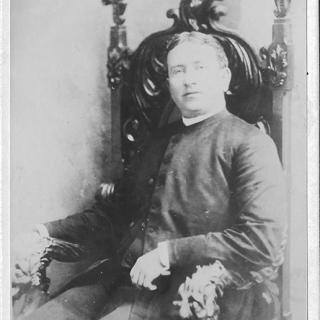
Edward J. McGolrick was born in Ireland on May 9, 1857 and received his religious training at the North American College in Rome, from which he was ordained in June of 1882. McGolrick was first assigned to St. Patrick Church on Kent Avenue, where he served from 1882 to 1888. In 1888, McGolrick was assigned to St.
Building
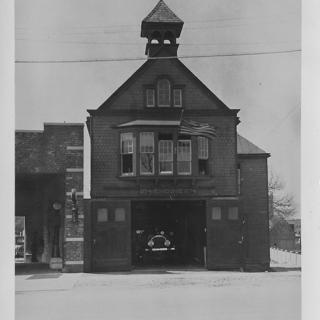
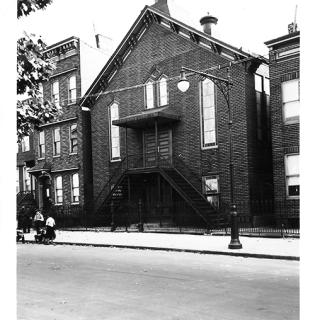
Brooklyn's oldest known mosque, and possibly the first mosque established in New York City, is located on Power Street.